Anxiety & Stress Management

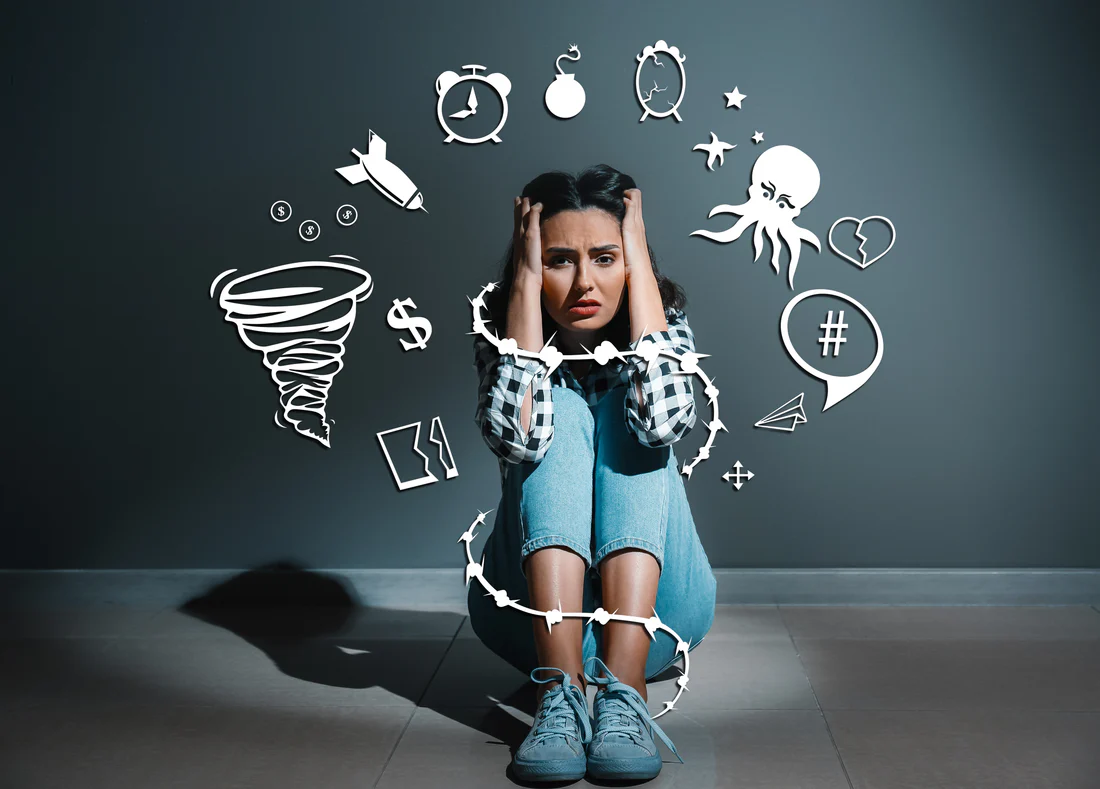
Anxiety is one of the most common mental health issues worldwide. It is your body’s natural response to stress, but when it becomes constant or overwhelming, it can interfere with daily life. People with anxiety often experience excessive worry, restlessness, rapid heartbeat, difficulty concentrating, and trouble sleeping.

Stress and anxiety are closely connected. While stress is usually triggered by an external situation (like work pressure or exams), anxiety can persist even when the stressor is gone. Over time, unmanaged anxiety can affect both mental and physical health.

Managing anxiety starts with awareness. Simple techniques like deep breathing, meditation, and grounding exercises can calm your mind. Regular physical activity helps release stress hormones, while maintaining a healthy routine improves emotional stability. Limiting caffeine and reducing screen time, especially before sleep, can also make a big difference.

Most importantly, don’t hesitate to talk to someone. Whether it’s a friend, family member, or professional, sharing your thoughts can reduce the burden. Anxiety is manageable, and with the right tools, you can regain control over your life.

Similar Posts

  • Depression Awareness

    Depression is a serious mental health condition that goes beyond temporary sadness. It affects how a person feels, thinks, and behaves. Common symptoms include persistent low mood, loss of interest in activities, fatigue, feelings of worthlessness, and changes in sleep or appetite. One of the biggest challenges with depression is that many people don’t recognize…

  • Overthinking & Negative Thoughts

    Overthinking is a common mental habit where you dwell excessively on situations, decisions, or problems. It often involves replaying past events or worrying about the future, leading to stress and anxiety. Negative thoughts are closely linked to overthinking. These thoughts can be self-critical, pessimistic, or irrational, and they can affect your confidence and emotional well-being….

  • Self-Care & Mental Well-being

    Self-care is the practice of taking intentional actions to maintain and improve your mental, emotional, and physical health. In today’s fast-paced world, many people neglect self-care, leading to stress, burnout, and emotional exhaustion. True self-care goes beyond occasional relaxation—it involves building habits that support long-term well-being. This includes getting enough sleep, eating nutritious food, staying…

  • Burnout & Work Stress

    Burnout is a state of emotional, physical, and mental exhaustion caused by prolonged stress, especially related to work or responsibilities. It is becoming increasingly common in today’s demanding environments. Signs of burnout include constant fatigue, lack of motivation, irritability, reduced performance, and feeling detached from your work. Unlike regular stress, burnout doesn’t go away easily…

Leave a Reply

Your email address will not be published. Required fields are marked *